Written by Tarék | April 7, 2026
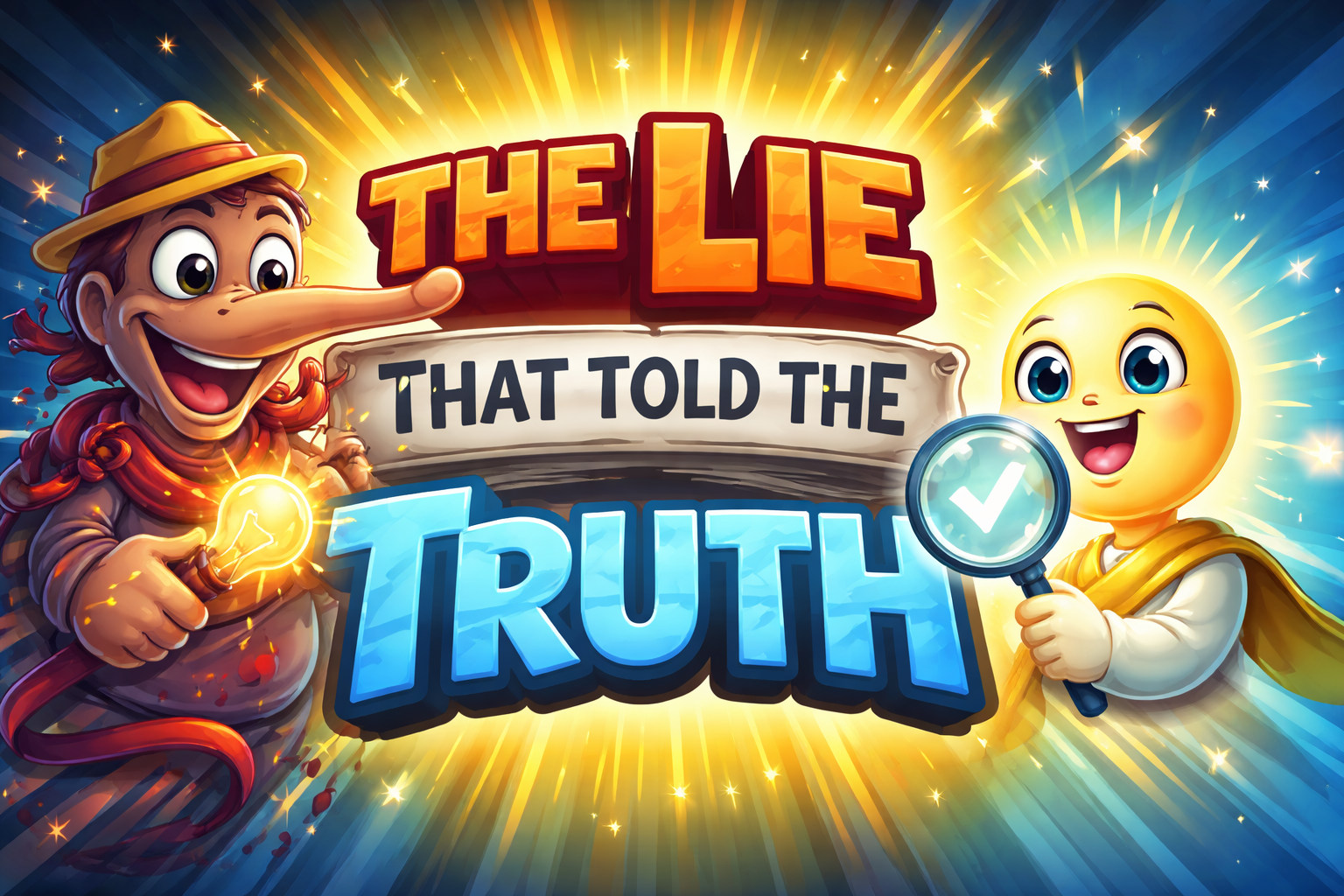
If you withhold the truth without being asked what that truth is, is it still a lie? If you are studying a topic without knowing all of the facts, did you actually learn anything? Is there truly such a thing as a, “little white lie?” If so, then is the opposite of that saying a, “big black lie” or is it a “big black truth?” What is so important about lying and why does it seem that lying is a better option than simply telling the truth? Whose idea was it to withhold information, in the first place, and why?

Let’s see. Who invented lying, I wonder? Well, other than Mark Bellison in the romantic comedy, “The Invention of Lying”, of course. I am more concerned as to who is on record for telling the first lie. . . To the internet we go.
Just as I suspected. There are no significant dates or times recorded of the first person to lie. There is, however, one religious account that many of us know of, which is in the story of Adam and Eve. The serpent deceives Eve, and Adam and Eve subsequently lie to God. Then there is the mythological story where Prometheus deceives Zeus by pranking him into choosing bones and fat instead of meat for sacrifice. This story is more symbolical than of historical facts, reflecting cultural understandings of lying rather than identifying an actual person who told the first lie.
Philosophers have long debated the nature of lying. From Plato to modern thinkers, discussions have centered on what constitutes a lie and the moral implications of deceit. For instance, St. Augustine (354–430 CE) defined lies as statements made with the intention to deceive, emphasizing the belief of the liar in the falsehood of their statement. Lying has been of interest for thousands of years, as is evidenced by its role in literature, theology, philosophy, and, more recently, psychology and popular culture. Philosophers from Plato (c. 428/427–c. 348/347 BCE) onward have been concerned with the nature of lying—what it is that distinguishes lying from other forms of deceptive behavior—as well as questions concerning the morality or immorality of telling lies.

What is the take away, so far? Is it okay to lie?
I just stumbled upon a blog via Bing search, of course. PolitiFact. This particular post is titled, “A History of PolitiFact’s Lie of the Year, From 2009 to 2025”. By all means, check that out. Once you finish here.
There are so many times we, as a people, have been lied to. For example, what was North America like before it was known as America? What did the natives refer to the land as? What really happened to the natives of that land? What did the natives really look like? Lastly, whatever name the land was referred as, how did it get its name?
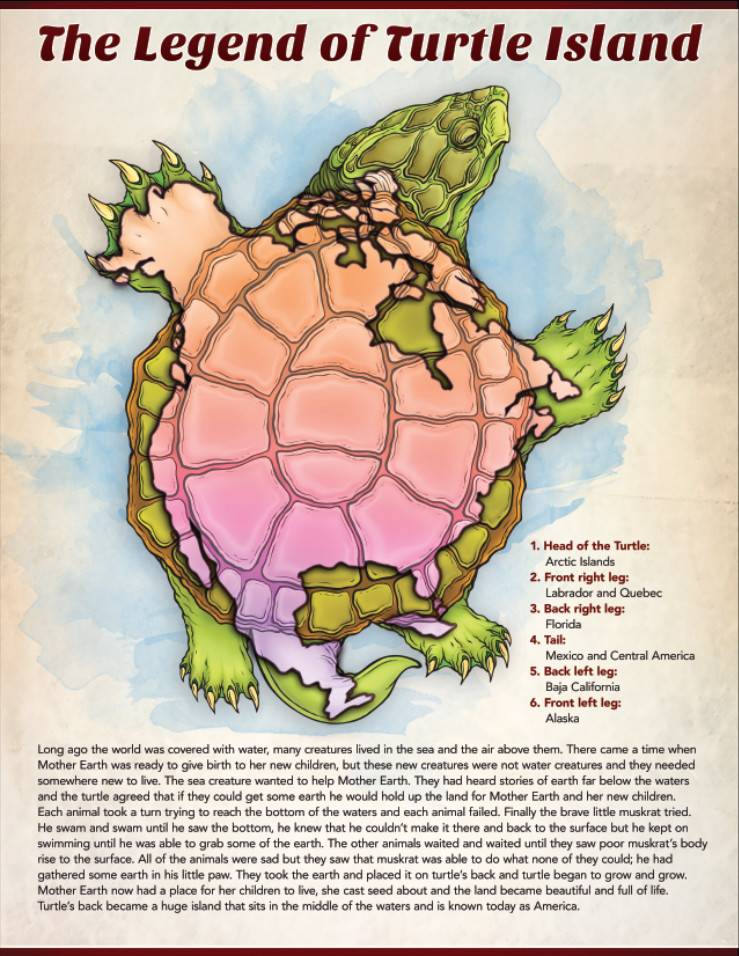
Why is there so much hate? What is the root to all of this hatred and anger? What is the reason for burying all of this truth? If it truly is about control, how much control does one truly need? What is the big picture that many are dying to keep painted? What is so bad that the truth is kept safe from all and the rest told is to remain a lie?
This is getting a bit too deep. I got to change the station.
Please, allow me to conduct an exercise.
I challenge you to leave a comment below expressing a truth that you possess, because you thought that a lie would be a better choice.