Written by Tarék | May 26, 2026
There are many of journal and diary entries written daily. Quite sure of it. Reasons vary from keeping a log of your life for you to remember to having a detailed story to tell or to pass down to the next generation. Either way, they are both viable. It is important to write your own story. Otherwise, who will tell it like you other than you when you’re gone?
It is especially difficult to learn through reading up on history in books when you reside in a country that continues to delete and erase stories daily. What other way could you learn of the past other than through writings or word of mouth?
History you have to dig deep for in order to learn about.
- Oneida Nation’s Unsung Role in the Revolutionary War (1777)
- Chinese Immigrants Who Defied the Geary Act (1892)
- Fannie Lou Hamer’s Convention Speech That Shook America (1964)
- 1908 Springfield Race Riot (Springfield, Illinois)
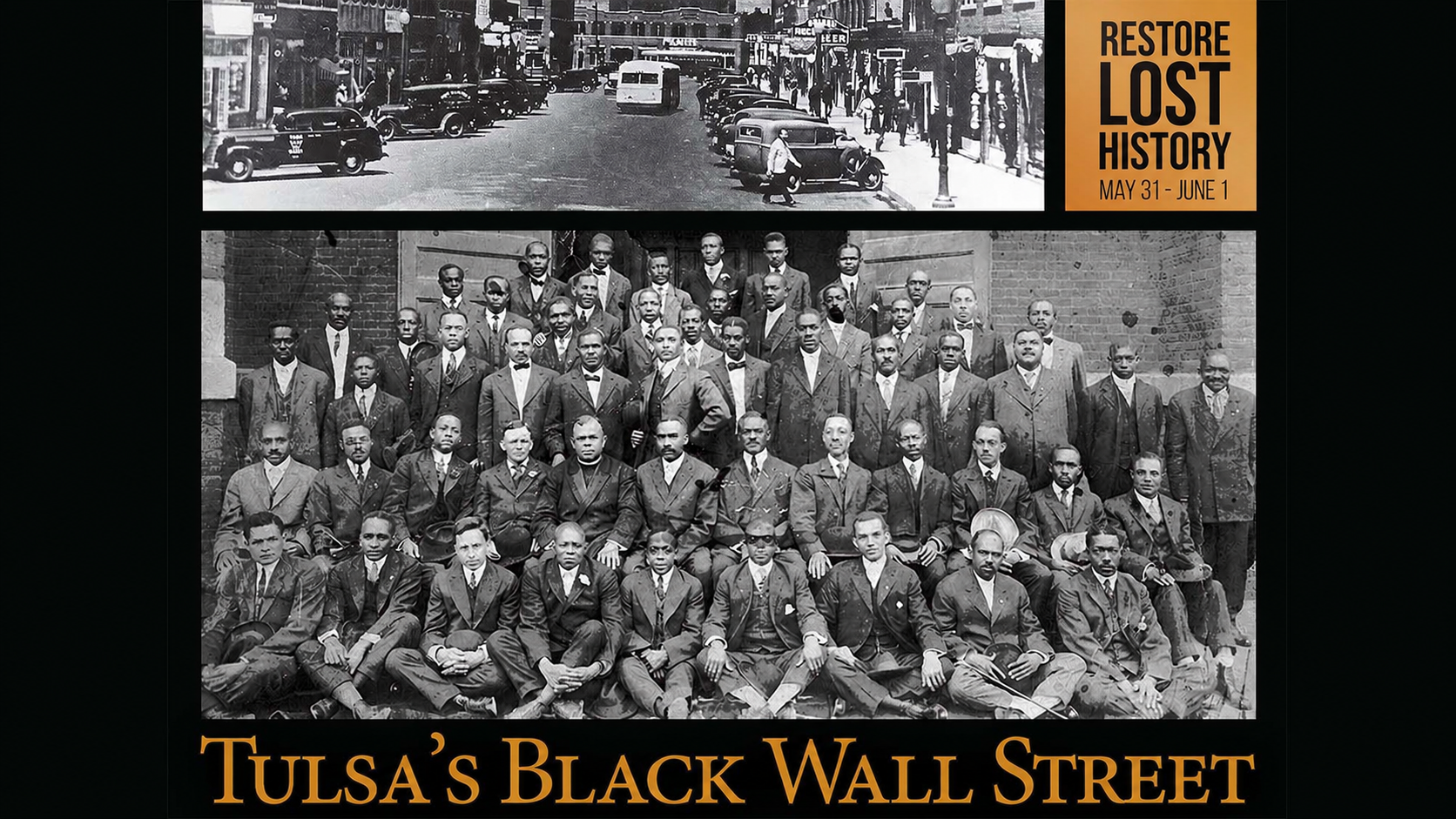
- Tulsa’s Black Wall Street Destroyed in a Day (1921)
- Rebecca Lee Crumpler
- Lucy Stone
- Charles Drew
- Benjamin Banneker
- Arthur C. Parker
(1) Oneida Nation (1777)
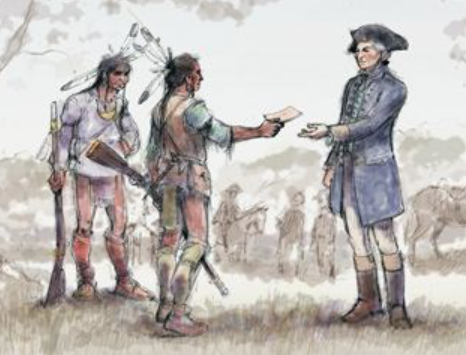
Our elementary school teachers taught us everything there was to know regarding Paul Revere and the redcoats. While leaving out any thing regarding this Oneida Nation (ON). It’s apparent the ON fed Washington’s troops, fought at Oriskany, and risked everything (literally everything) to back the revolution.
Funny, this rewrite had us thinking the American Revolution was won alone.
The ON originally being from upstate New York began relocating to Wisconsin in the 1820s.
(2) Chinese Immigrants (1892)
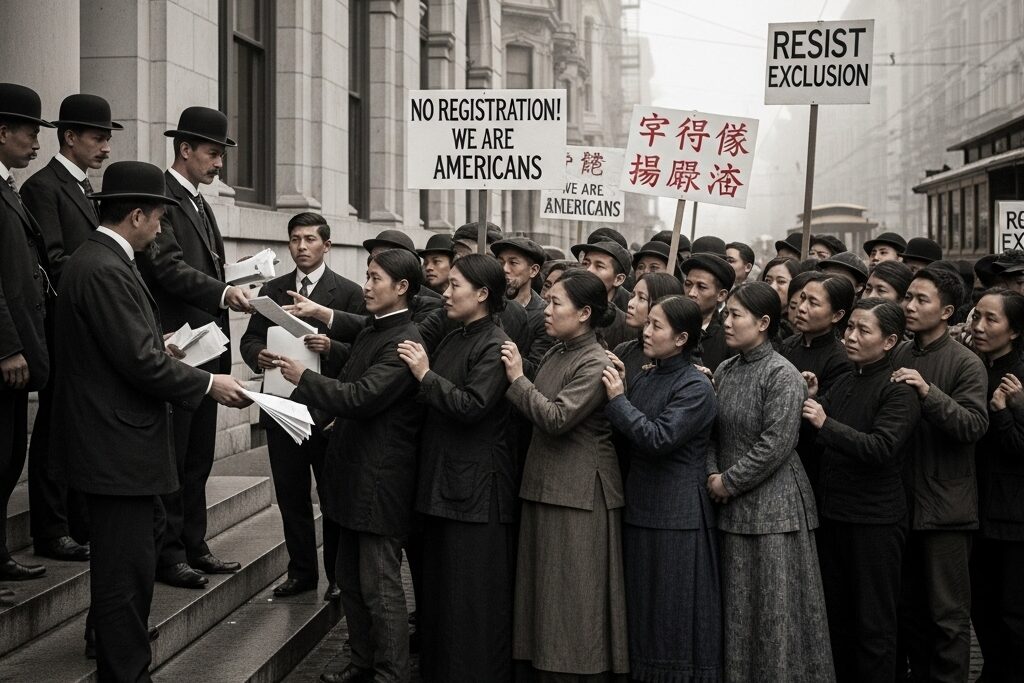
The Geary Act of 1892 was a United States law that extended the Chinese Exclusion Act of 1882. The law required all Chinese residents of the United States to carry a resident permit (internal passport). This act was written by Thomas J. Geary (California Rep) and was passed by Congress on May 5, 1892.
Thousands of Chinese Immigrants resisted; just by saying “no.” For that, they faced arrests, threats, and worse.
(3) Fannie Lou Hamer (1964)
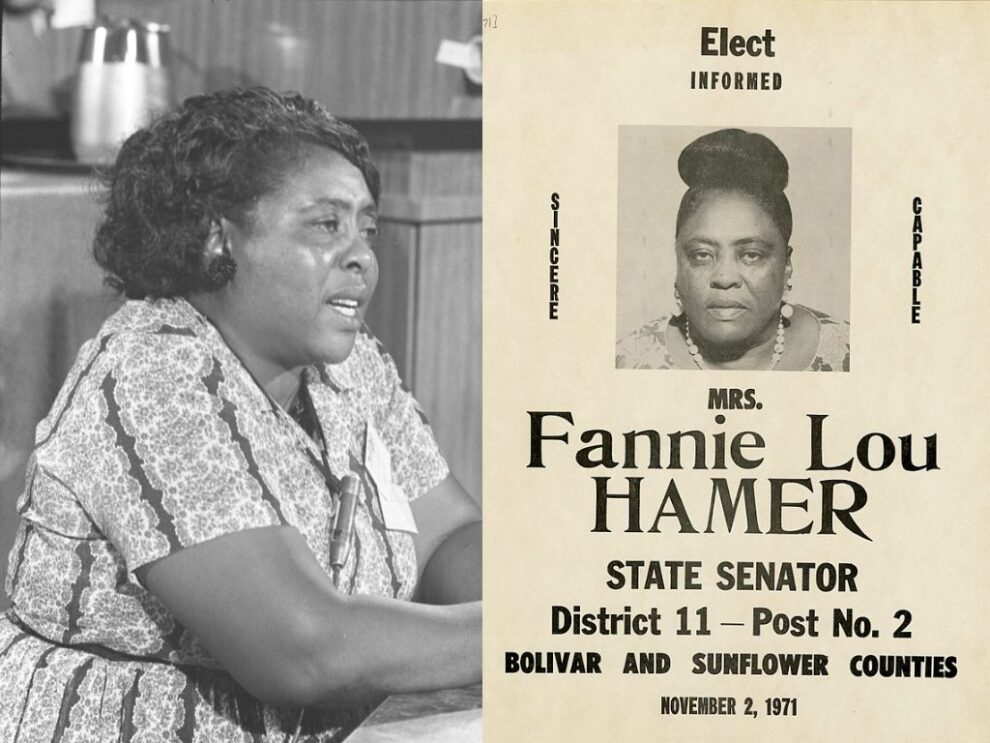
A once American voting and women’s rights activist, community organizer, and leader of the civil rights movement. She was also the vice-chair of the Freedom Democratic Party, which she represented at the 1964 Democratic National Convention.
Hamer wasn’t scheduled to speak. She did anyhow. Her 1964 speech was regarding voter suppression in Mississippi. It was so powerful that it made many people uncomfortable (and made history glitch).
News media outlets tried with all of their power to suppress the story. Presidents did what they do best, strayed the furthest distance away from the truth. Textbooks mentioned as little as one paragraph that was missed every year during that short month that possesses 28-29 Days.
(4) 1908 Springfield Race Riot
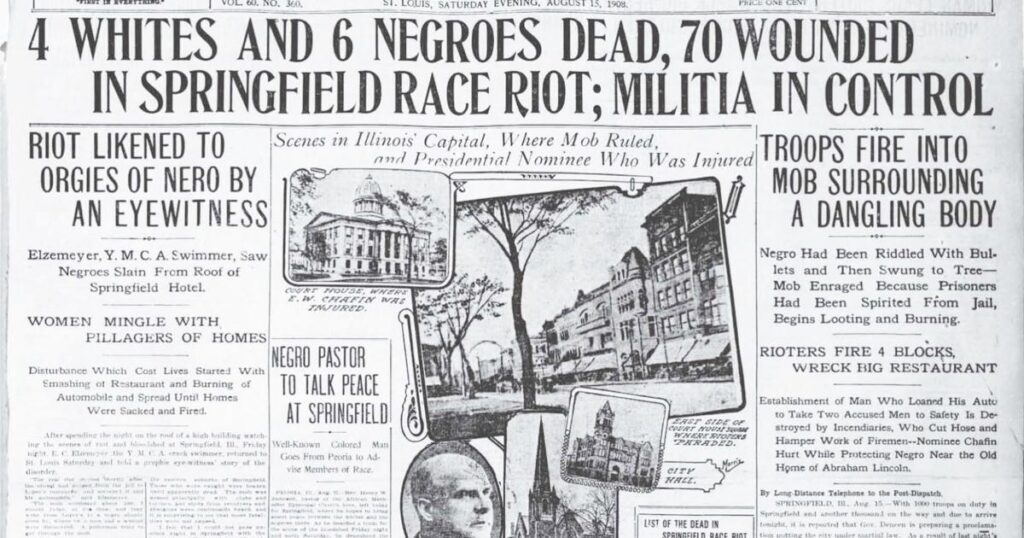
The Springfield race riot of 1908 involved several of events of mass racial violence committed against Black Americans by a mob of circa 5,000 white Americans and European immigrants in Springfield, Illinois. This event took place between August 14-16, 1908.
Two black men, Joe James and George Richardson, were arrested. James with accusations of murdering a white man and attempting to have bodily relations with his daughter. While Richardson being accused of completing bodily relations with a white woman, Mabel Hallam.
(5) Tulsa’s Black Wall Street (1921)
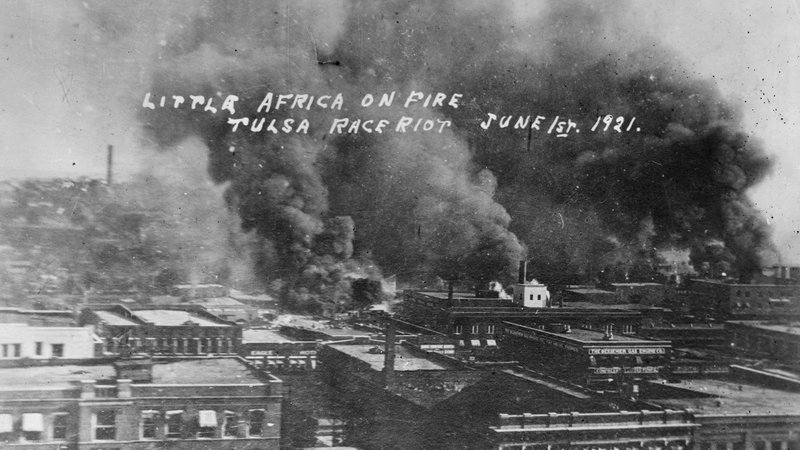
Tulsa, Oklahoma once possessed one of the wealthiest black communities in the United States, collectively known as “Black Wall Street”.
On one heart-wrenching afternoon. What was deemed and received as an accident, turned into America’s best kept secrets of terror of its time. Up until the 1990s.
The Tulsa race massacre was a two-day-long terrorist massacre brought by white supremacists. This crude act took place in the Greenwood District of Tulsa, Oklahoma, United States, May 31 through to June 1, 1921. Gangs of white residents, some of whom had been armed and appointed as deputies by city government officials, attacked black residents destroying their homes and torching their businesses. Attackers dismantled more than 35 square blocks of the neighborhood.
Is this new to you? Comment below
(6) Rebecca Lee Crumpler
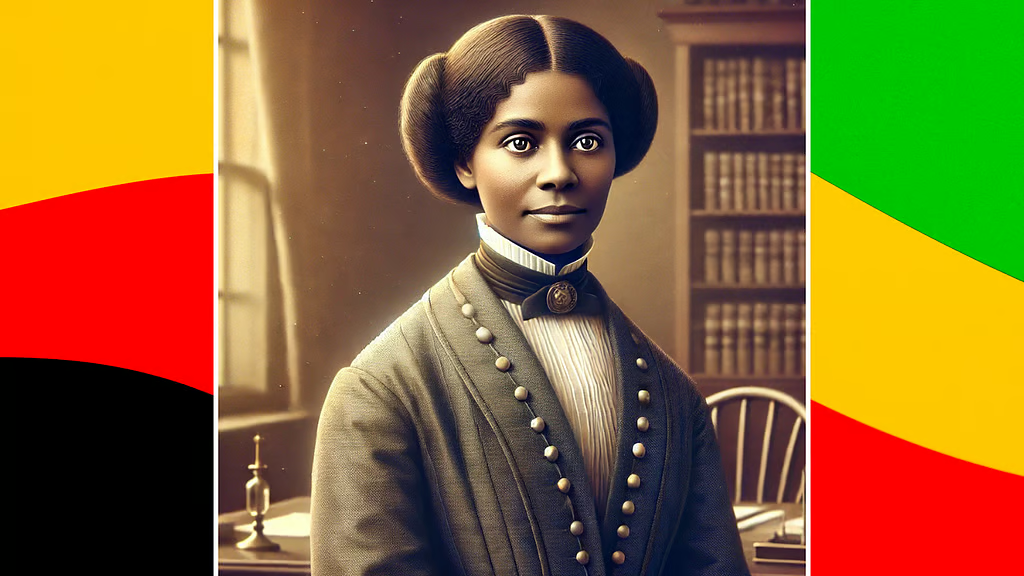
Crumpler broke through racial and gender barriers in 1864. She did so by becoming the first Black American woman to achieve a medical degree. She dedicated her practice to treating previous enslaved persons in the South. She also wrote a vital medical guide for women and children.
Not so much as a sentence mentioned of her in U.S. History books. She served as a beacon of health education and advocacy in an era deeply rooted in discrimination and prejudice.
(7) Lucy Stone
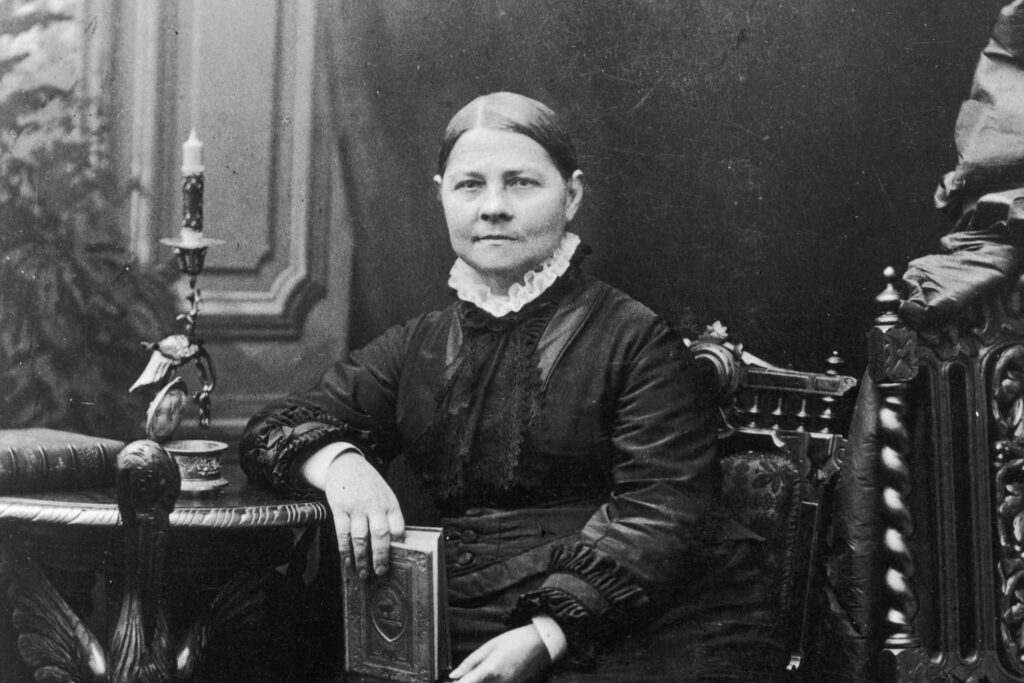
Everyone has someone who influences them to make a move. Lucy Stone was exactly that to Susan B. Anthony.
Stone lived from 1818 – 1893, a full seventy-five years. Within those years she would become an American orator, abolitionist and suffragist, a vocal advocate for and organizer of promoting rights for women.
Did you know, she achieved a college degree in 1847? Although it was from Oberlin College in Ohio, she was the first woman from Massachusetts to earn a college degree.
Stone was co-founder of the American Woman Suffrage Association.
She was bold and stood against the status quo. So far as, she kept her maiden name after wedding her husband.
How old were you when you first learned of Lucy Stone?
Leave a comment below.
(8) Charles Drew
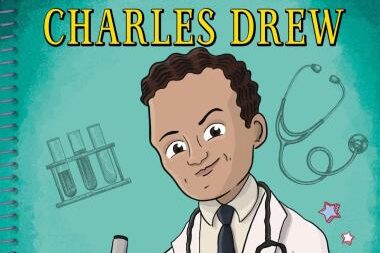
With only residing a mere forty-five years on this planet, Drew has made a name for himself. Well, not to the masses. It’s apparent that his story wasn’t great enough to surpass medical books, I imagine.
Drew was an American surgeon and medical researcher. He conducted research in blood transfusions, pioneered improved methods for storing blood, and used his expertise to help establish large-scale blood banks during the early years of World War II.
I mean, to any medical students/graduates reading this, did you learn of Charles Drew in your medical books? Drop a comment below.
(9) Benjamin Banneker
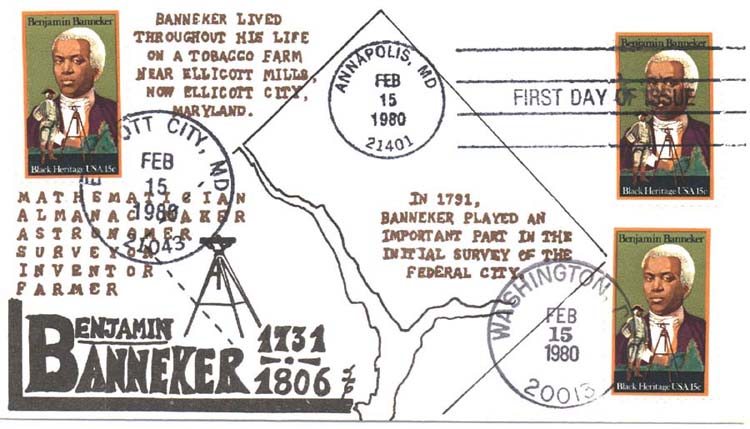
An American naturalist, mathematician, astronomer and almanac author. Also, a landowner and worked as a surveyor and farmer.
Born in Baltimore County, Maryland, to a free Black American mother and father who had once been enslaved, Banneker received very little formal schooling and educated himself independently. He later gained recognition for helping Major Andrew Ellicott survey the land that established the original boundaries of the District of Columbia, the nation’s federal capital, known as Washington D.C.
(10) Arthur C. Parker
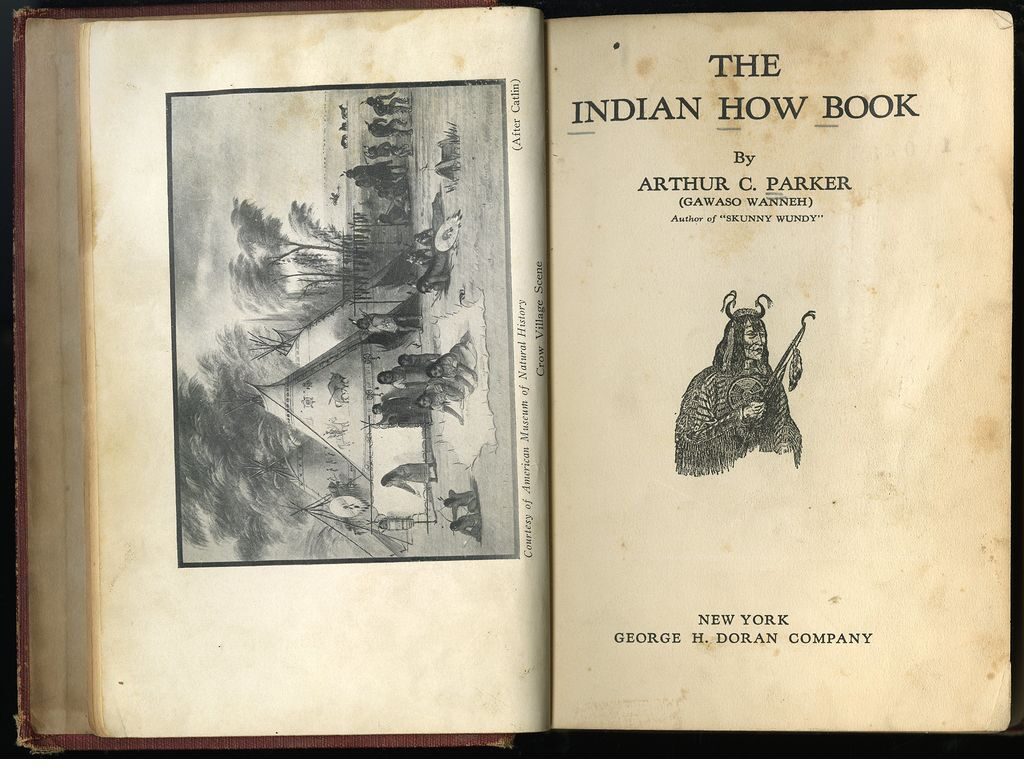
In a time when history was largely shaped by those in power, the careful work of Arthur C. Parker was too often overlooked. As a Seneca anthropologist, Parker dedicated himself to preserving Native American oral histories and cultural traditions with a level of respect and authenticity uncommon in his era. He served as a vital bridge between Indigenous communities and the field of modern anthropology, championing narratives that honored Native voices instead of exploiting them. Despite the significance of his contributions, his work was overshadowed by dominant historical narratives, remaining a quiet but enduring testament to cultural resilience.
(Bonus) Lillie Belle Allen
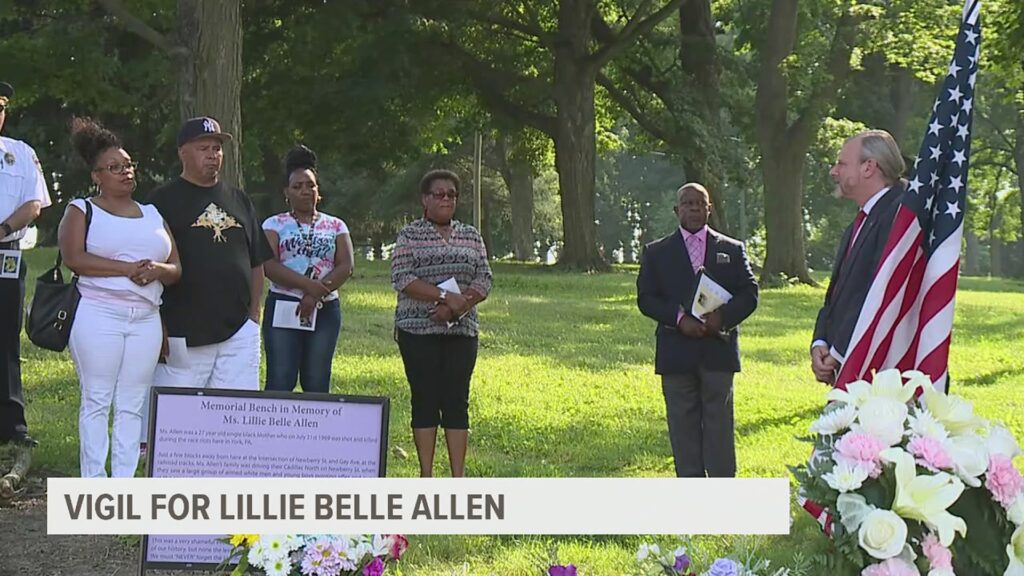
On July 21, Lillie Belle Allen, a young Black woman from Aiken, South Carolina, was visiting York with her parents when tragedy struck. She was riding in a car driven by her sister, Hattie Dickson, who had turned onto North Newberry Street while searching for a grocery store. As they drove through the neighborhood, Dickson spotted a white man aiming a gun from a second-story window. That night, members of two white gangs—the Newberry Street Boys and the Girarders—were gathered in the area, many of them heavily armed.
Attempting to escape, Dickson tried to turn the car around at the intersection of Newberry Street and Gay Avenue, but the vehicle stalled. Armed white men began emerging onto porches and into the street, intensifying the panic inside the car. Allen’s parents, seated in the back, prayed as fear spread through the family. Lillie Belle Allen leapt from the vehicle in an effort to reach the driver’s seat and help move the car. Waving her arms desperately, she cried out, “Don’t shoot!” Gunfire erupted from the street, rooftops, and windows. Allen was struck multiple times and killed as more than one hundred rounds tore into the vehicle. Allen would fall victim to the 1969 York race riots.
In the aftermath of the killing, Pennsylvania Governor Raymond P. Shafer declared a state of emergency and imposed an emergency curfew while two hundred National Guard troops entered York to restore order. Within days, the violence subsided and the Guard withdrew from the city.
The investigations into the murders of Allen and Officer Henry Schaad stretched on for two years, led by four prosecutors and four detectives. Yet fear, racial division, and silence obstructed the pursuit of justice. Witnesses either feared retaliation or refused to cooperate, unwilling to betray their communities. Lead detective Thomas V. Chatman Jr. later described the investigation as “tougher than pulling teeth,” explaining that although many people knew what had happened, few were willing to speak. Prosecutors initially focused on solving Allen’s murder in hopes that progress would encourage witnesses to come forward in the Schaad case as well. Despite their efforts, authorities were unable to gather enough evidence to charge anyone, and both cases remained largely unresolved for the next three decades.
Take a chapter out of the late Malcolm X’s life. Sit down with a writer and tell them your story. Of all the things you accomplish in your life, the one thing that is the most effective for you to do is jot down the important key points of your life on paper, in a diary, or a journal. Make sure your story is written and shared.
Stay blessed and remember, life may only be played forward.