Written by Tarék | April 14, 2026
Many of us embark upon a journey that began as an idea. Some of us think up ideas and never commit to the journey. What is an idea, anyway, without an execution?
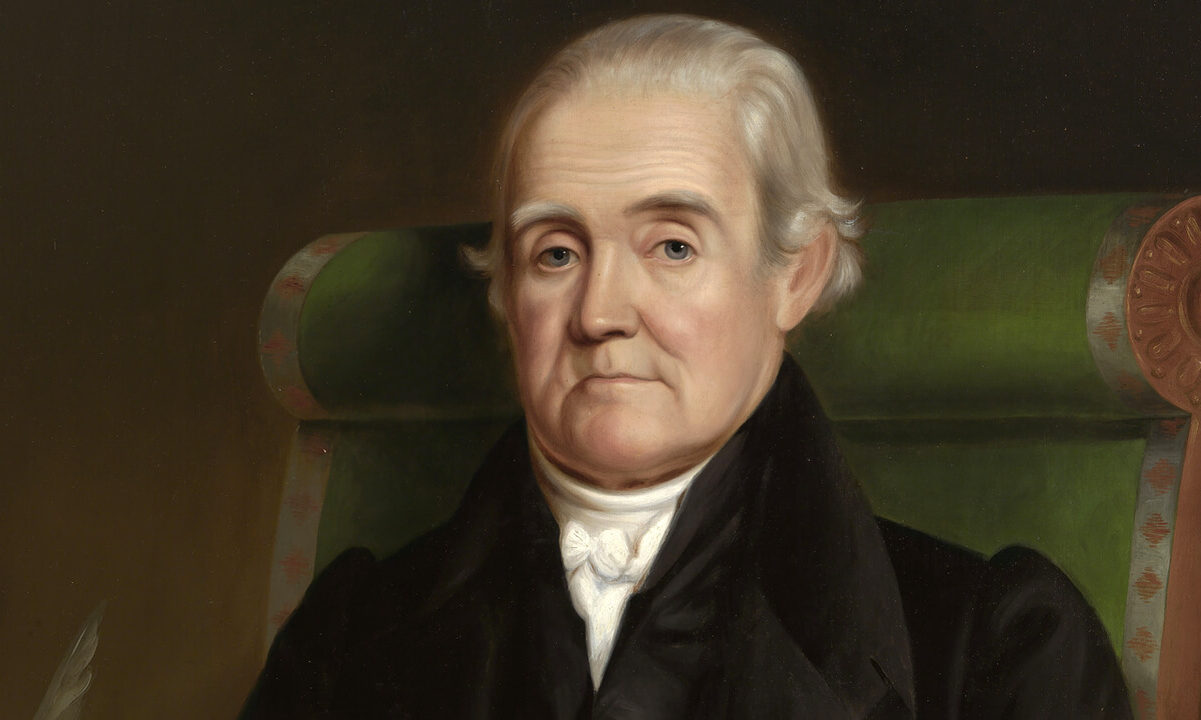
Noah Webster, born on October 16, 1758 in the Western Division of Hartford, Connecticut Colony, British America. Today that, Western Division of Hartford, is known as West Hartford. Throughout his life he was known as an American lexicographer, political writer, editor, author, textbook pioneer, and English-language spelling reformer. What does that last one even mean? Well, in short, many people have suggested changing the English spelling to make it more consistent and closer to how words sound.
The goal is to make English easier and cheaper to learn, especially for global use. Some ideas involve small changes, like fixing common spelling inconsistencies. Others suggest bigger changes, such as creating new alphabets or fully redesigning the system. Reformers disagree on whether changes should happen slowly over time or all at once.
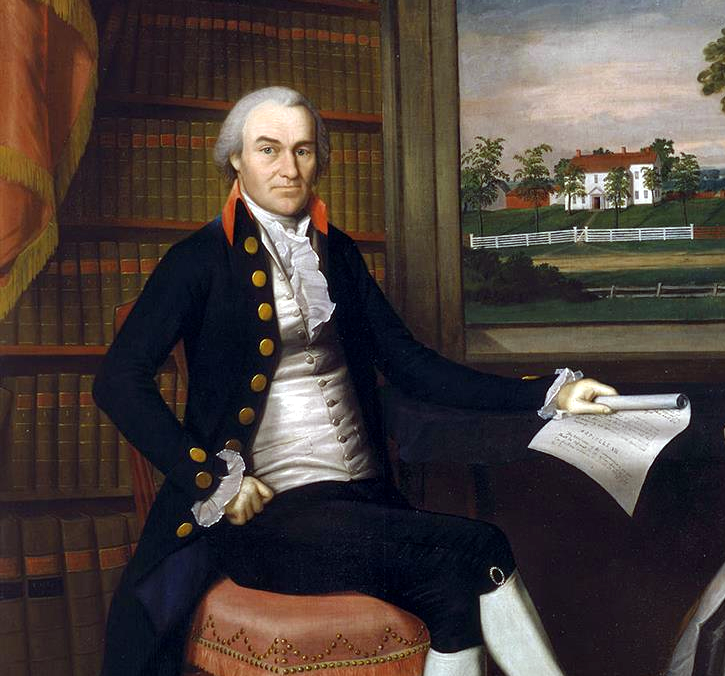
Webster’s alma mater is Yale College, class of 1778. According to Wikipedia he studied law under Oliver Ellsworth. Though he did pass the bar examination, he was not able to secure a position as a lawyer.
Wait a minute… Who else did this man meet whose considered notable?
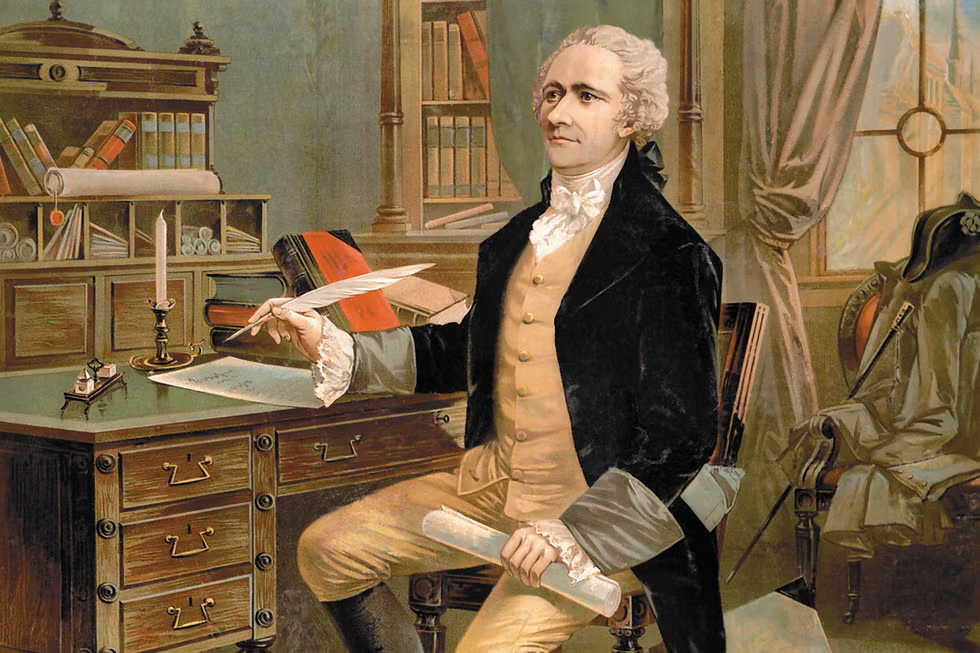
Looks like he has met and befriended Dr. Benjamin Rush. Alexander Hamilton loaned Webster $1500 to relocate to NYC and begin what would become the country’s first federalist daily newspaper titled American Minerva. Webster encountered Robert Andrews and George Wythe. He also worked under the administration of both George Washington and John Adams. He also rubbed elbows with the other known signers of the declaration.
Webster stemmed from a prominent family in their own right. Webster has ancestry relations to John Webster (1590 – 1661) on his father’s side, and William Bradford (1590 – 1657) on his mother’s side. His father, Noah Webster Sr., though never attended college, was steadfast on the importance of education. He was a farmer and deacon of the local Congregational church and post America earning her independence Webster Sr. gained an appointed position for justice of the peace. His mother, Mercy (neé Steele) Webster was a stay at home and educated her children through spelling, mathematics, and music.
Webster’s early years consisted of attending a rundown one-room primary school established by West Hartford’s Ecclesiastical Society. The class was filled with students ranging various ages with zero focus on one particular age group. Later in life, he described the teachers as the “dregs of humanity” and he had many complaints that the instruction was in part of religion. This experience acted as motivation for him to improve the educational experience for generations to come.
At only 14 years young, his church pastor would administer tutoring to him in Latin and Greek in preparation for entry to Yale College. Prior to turning sixteen Webster enrolled at Yale, and while in his senior year he studied with Ezra Stiles (Yale’s then 7th president and founder of Brown University).
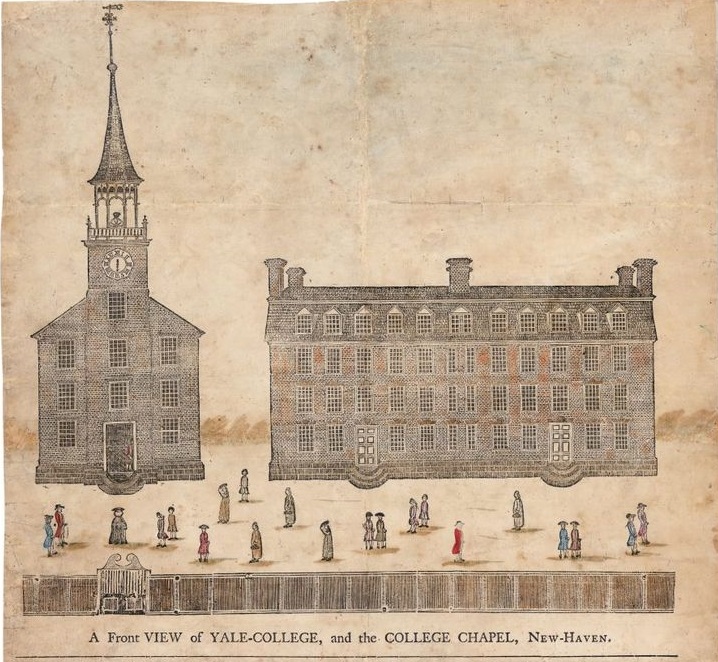
Post graduation from Yale in 1778, Webster move on to meet, create, and build amazing people, inventions, and constitutions.
In 1818, Webster would begin on a path to co-found The Amherst Collegiate Institution that, in 1825, would become Amherst College in Amherst, MA.
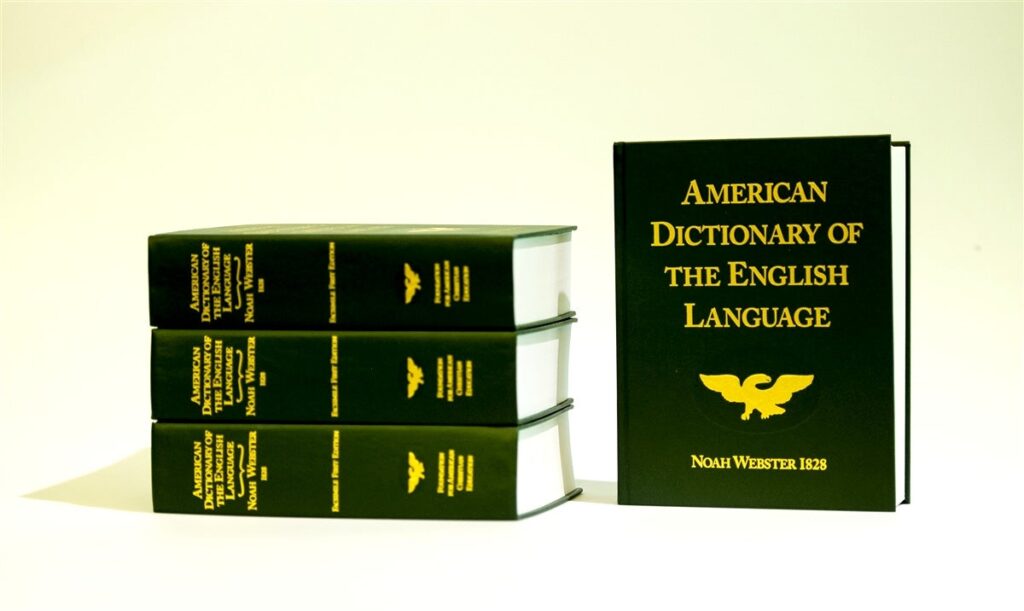
Which brings me to the purpose for this entry. Today in History on April 14, 1828, at the age of 70, S. Converse would publish Webster’s American Dictionary of the English Language. Two quarto volumes containing 70,000 entries were copied in 2500 prints for the price of $20 (adjusted for 2023 inflation: $647.73) for the two volumes. The printing of the second edition in 1841 was by B.L. Hamden of New Haven, CT. Once Webster died, in 1843, his heirs sold unbound sheets of the 1841 revision American Dictionary of the English Language to the firm of J. S. & C. Adams of Amherst, Massachusetts. It was this edition that was used by Emily Dickinson as a tool for her poetic composition. The third printing of the second edition was from that of George and Charles Merriam (Springfield, Massachusetts), in 1845. This was the first Webster’s Dictionary with a Merriam imprint.